

Acupuncture and Herbal Medicine for Migraines
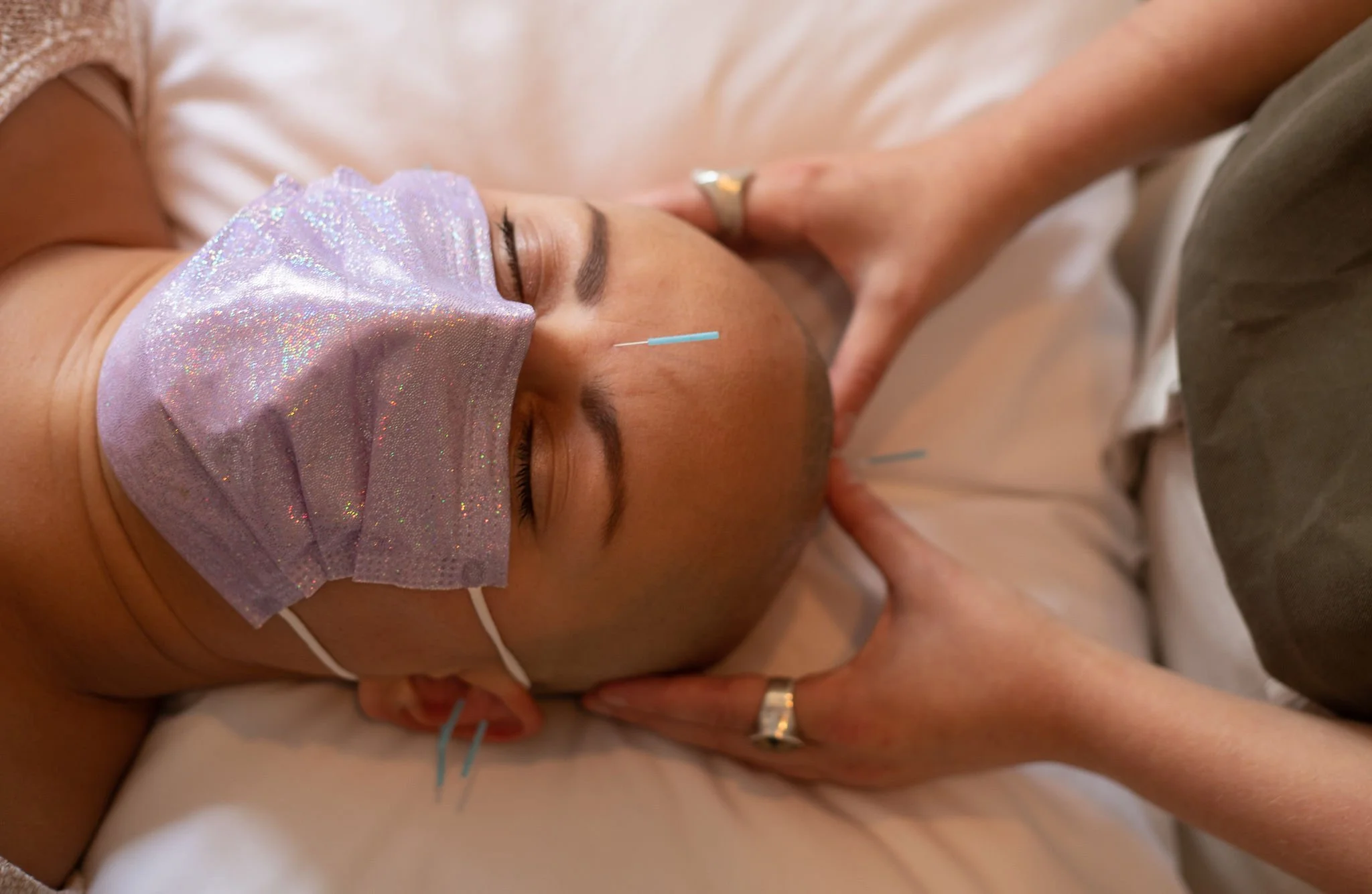
I remember having my first migraine in the 6th grade. The pain was unlike anything I had experienced. Excruciating, stabbing and preceded by an aura— a zig zagged rainbow over my visual field. Even thinking about auras makes me physically nauseated.
I didn’t have another until the following year. Once I reached college, they settled into a regular monthly cadence of multiple times a month.
At this time, I began seen an MD who recommended herbal medicine and acupuncture after bloodwork that was nearly flawless. After about 6 months, my migraines reduced to once monthly, then eventually to only a couple times a year. This experience prompted me to study herbal medicine and eventually pursue acupuncture and Traditional Chinese Medicine.
Just over 40 million people in the United States are impacted by migraines. And despite that, we don’t know exactly why they occur. Researchers suggest a combination of genetic, environmental and neurological factors may contribute.
We do know that there are many things that can trigger migraines, but each person is different. According to a 2024 study, top reported triggers include:
Stress affecting 80% of cases
Hormonal changes in 65% of cases during menstruation, ovulation, and pregnancy
Skipped meals, (57%)
Weather changes (53%)
Excessive or insufficient sleep (50%)
Odors, such as perfumes, colognes, and petroleum distillates, affecting 40% of cases
Neck pain in (38%)
Exposure to lights in (38%)
Alcohol ingestion in 38% of individuals (wine as a probable factor)
Late sleeping in (32%)
Heat affecting (30%)
Food in 27% of cases (aspartame as a possible factor and tyramine and chocolate as unproven factors)
How acupuncture and herbal medicine can help
Acupuncture has been shown to promote parasympathetic function, the counterpart to our stress response. This is what gives us feelings of relaxation, promoting quality sleep and optimal digestion. With stress being a top trigger for migraines, working to calm the nervous system with acupuncture can aid in reducing migraine occurrence.
Acupuncture and targeted herbal medicine can also aid in less severe hormonal shifts during the month, promoting more regular menstrual cycles with reduced PMS symptoms.
Acupuncture is effective in reducing tension in the neck and shoulders that may be contributing to inflammation in the upper body.
What does the research say?
In a 2020 study, researchers found that acupuncture was more effective than usual care in preventing migraines. In most cases, “usual care” is taking preventative migraine medication daily or with the onset of a migraine.
In another study in the Journal of Pain Research and Management, the authors concluded that, “based on high quality of evidence,” acupuncture is “an effective and safe therapy for migraine.”
How many treatments are needed?
It depends on your triggers and the frequency of your migraines. I typically recommend treatment weekly for 8 sessions (up to 12 depending on severity) and then we space treatments out until we reach a maintenance goal of once a month. Herbs can play an important role in migraine relief, particularly when migraines are hormonally related, by helping address underlying dysregulation.
If you haven’t found relief with current methods (or even if you have!), acupuncture is a safe and effective addition to your unique prevention plan for migraines.
Kecia Fox is a Licensed Acupuncturist and Traditional Chinese Medicine practitioner at Well Forest Acupuncture in Portland, Oregon, specializing in holistic wellness, chronic pain and stress.