Endometriosis Awareness Month
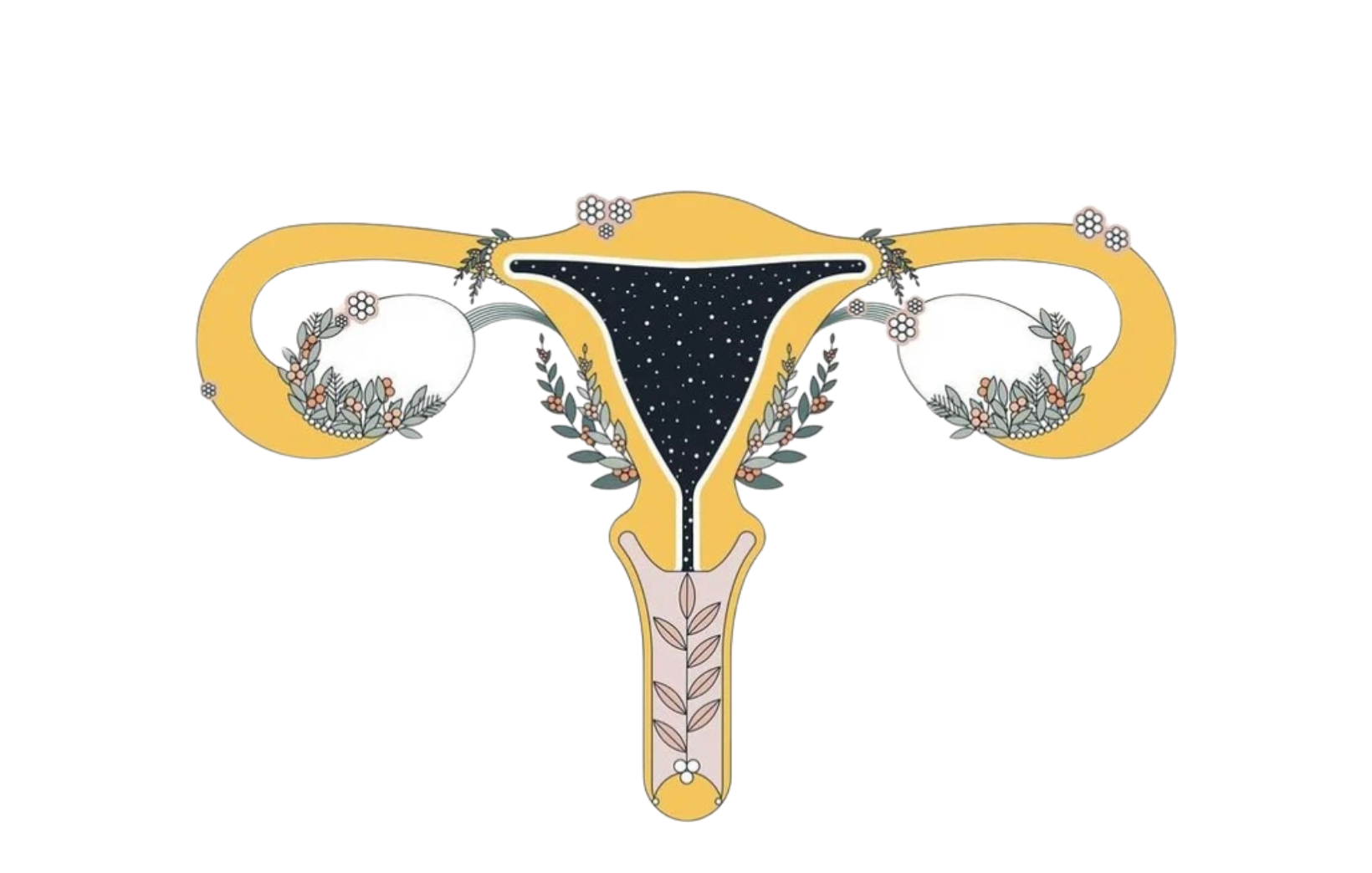
Image: “Endometriosis Anatomy” by Jenna Wiebe of Duvet Days
In 2023, I underwent excision surgery for stage 3 endometriosis. Like many of you, I've spent years building a toolkit to manage a variety of chronic symptoms. So when I say I 'get it,' I truly mean it—the frustration, the unknown, the daily ups and downs. I'm right there with you.
What do you know about Endometriosis?
Endometriosis is a chronic, inflammatory condition in which uterine-like tissue grows outside of the uterus. These lesions can be present in several areas, including the ovaries, pelvic ligaments, and bladder.
Endometriosis affects 1 in 10 women and the cause is currently unknown.
On average, it takes 10 years to receive a diagnosis due to a lack of research and testing, misdiagnosis, and the medical gaslighting of symptoms (e.g., dismissing menstrual pain as 'normal').
Symptoms can include: debilitating pelvic pain and menstrual cramping, pain with intercourse, heavy or prolonged menstrual bleeding, frequent or uncomfortable urination, pain during bowel movements, infertility, IBS, brain fog, fatigue, depression, anxiety, hypersensitivity to pain, migraines etc.
Imaging (MRI, ultrasound etc.) is not sensitive enough to detect all endometriosis. It can only be officially diagnosed through laparoscopy.
Birth control, hysterectomy, pregnancy are not a treatment for endometriosis, though some report reduction of symptoms, usually temporarily.
There is no cure for endometriosis, only management of symptoms via lifestyle changes, pain management, and surgery.
Menstrual pain is not normal. If you are regularly taking pain relievers or find yourself missing work and events due to your period, this is a sign that something is awry. It doesn’t always mean you have endometriosis, but it is something to be explored and addressed.
Unfortunately — and dare I say, disturbingly — many gynecologists are not adequately trained in endometriosis despite its prevalence. A study in 2020 found that 75% of patients reported being misdiagnosed with another physical or mental health condition, with gynecologists being the most frequent source of misdiagnosis.
If you have menstrual concerns, let's talk. Traditional Chinese Medicine is an invaluable tool that has been proven effective for menstrual pain, inflammation and hormonal dysregulation. I'm happy to help you build a toolkit and connect you with resources and knowledgeable specialists who believe your experience.
With compassion,
Kecia Fox, LAc
Kecia Fox is a Licensed acupuncturist and Traditional Chinese Medicine practitioner at Well Forest Acupuncture in Portland, Oregon, specializing in holistic wellness, chronic pain and stress.